
Views: 0 Author: Site Editor Publish Time: 2025-03-21 Origin: Site


Are you struggling with installing a floor spring? Proper installation is key to smooth, long-lasting door operation.A floor spring is a crucial component for heavy-duty or glass doors, ensuring they close securely and smoothly. However, if not installed correctly, issues like noise or oil leakage can arise.
In this post, we’ll guide you through the essential steps of installing a floor spring, highlighting common problems and solutions to ensure a flawless setup.
Before starting, ensure you have the correct floor spring for your door. Consider the following factors:
● Weight and width of the door: The spring should match the size and weight of your door to work effectively.
● Environmental factors: For example, choose a spring that can handle cold temperatures if you're installing it in a chilly area.
● Types of floor springs: There are single-cylinder and double-cylinder options. Decide between adjustable or non-adjustable models based on your needs.
● Load capacity: Ensure the floor spring can support the weight of the door without straining.
Preparing the installation area is crucial for a smooth setup.
● Choosing the right location: Mark the floor where the spring will be placed. The position should allow the spring to perform optimally, without obstruction.
● Creating the slot for the floor spring: Use tools like an angle grinder and electric hammer to cut a precise slot for the floor spring. The slot should be deep and wide enough for a snug fit, so measure carefully.
Now that the area is ready, it's time to place the floor spring into the ground.
● Placing the spring: Carefully position the spring into the prepared slot. Ensure it sits securely and doesn't shift.
● Securing the spring: Use cement or quick-drying powder to anchor the spring in place. Once secured, level and align the spring so it’s perfectly straight.
With the spring in place, it's time to attach the door.
● Positioning the door: Lift the door and align it with the floor spring. The door should sit comfortably with the spring mechanism.
● Attaching the door clamp: Fix the door clamp into the spring’s shaft hole. Make sure it’s firmly in place.
● Ensuring proper vertical alignment: Adjust the door as needed to ensure it's level and properly aligned with the spring.
Now, set the door’s closing speed to your liking.
● Speed adjustment mechanism: Turn the speed control screws (clockwise for slower, counterclockwise for faster) to adjust the door’s closing speed.
● Avoid overtightening: Be cautious not to loosen or overtighten the screws. A slight tweak is all it takes.
Before finishing up, run a few checks to ensure everything’s secure.
● Tighten screws and bolts: Double-check all screws and bolts to make sure they are tightened properly.
● Test the door's movement: Open and close the door to ensure it moves smoothly and the speed adjustments work well.
● Check door alignment: Make sure the door aligns properly with the floor spring.
● Install the cover plate: Finish by installing the cover plate to protect the spring and its mechanisms.
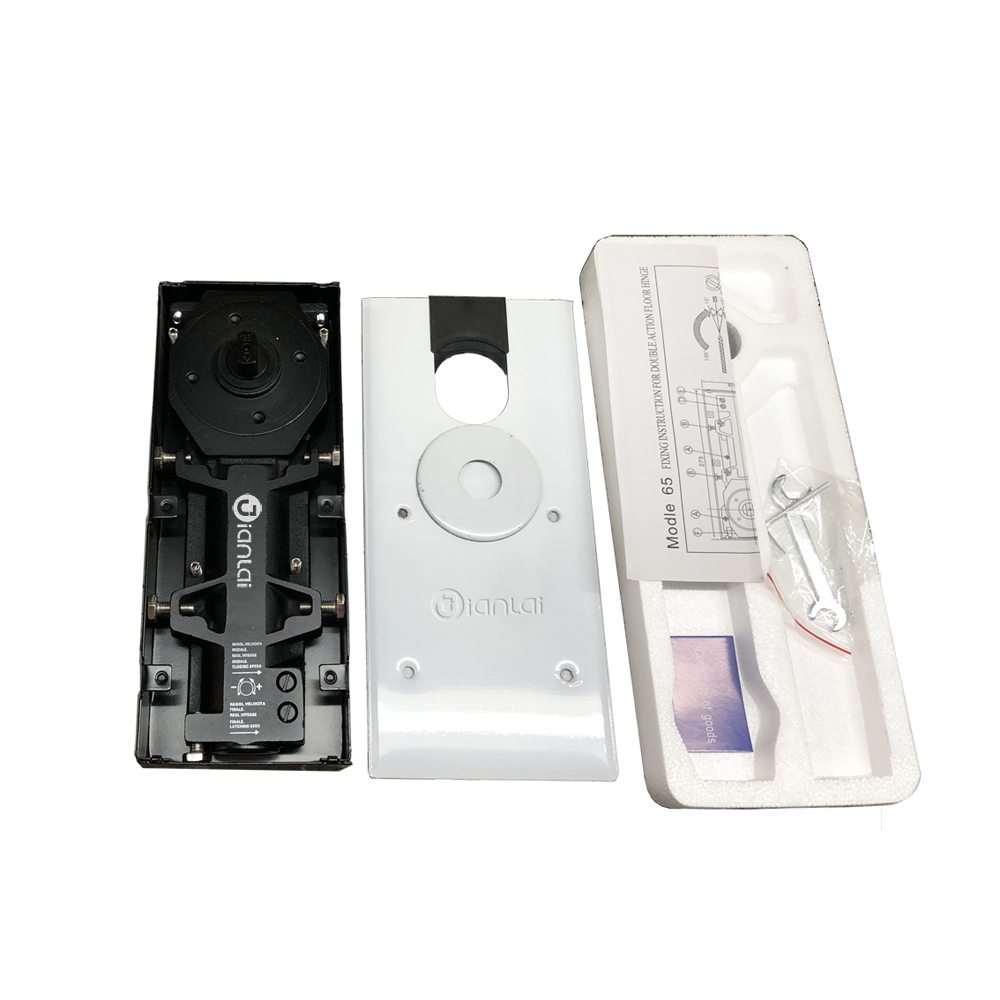
Sometimes, you may struggle to get the door to close at the desired speed.
● Possible Causes:
○ A faulty or broken spring mechanism can hinder the adjustment.
○ Incorrect installation of speed control valves may also be the culprit.
● Solutions:
○ Check and adjust the speed control screws. Turn them carefully to ensure proper closing speed.
○ Ensure the door’s weight matches the spring’s specifications. A door that’s too heavy or light for the spring may cause issues.
A noisy door can be frustrating. It’s important to identify the cause early.
● Possible Causes:
○ Loose patch fitting screws may cause vibrations or rattling.
○ Misalignment of the guide shaft can lead to friction and noise.
○ Worn-out bearings might make a squeaking sound as the door moves.
● Solutions:
○ Tighten all screws to ensure the patch fitting is secure and stable.
○ Check the guide shaft for proper alignment and make adjustments.
○ Replace any worn-out components, like bearings, to restore smooth operation.
If the door is not moving as it should, it could be due to internal damage.
● Possible Causes:
○ A damaged internal pull rod might prevent the door from opening or closing.
○ Misalignment of the floor spring and door clamp can also cause the door to become stuck.
● Solutions:
○ Replace the pull rod or floor spring if it is broken or damaged.
○ Ensure proper installation of the floor spring and clamp, making sure everything is aligned correctly.
Sometimes the door may not sit level or properly aligned.
● Possible Causes:
○ Misalignment of the spring shaft and guide shaft can lead to uneven height.
○ Incorrect door specifications for the floor spring could cause misalignment.
● Solutions:
○ Adjust the vertical alignment of the door to ensure it is level.
○ Ensure the spring size matches the door’s weight and width for optimal performance.
To keep your floor spring working smoothly, regular inspections are essential.
● Why Regular Checks Are Necessary:Ensure the floor spring functions smoothly over time and doesn't develop issues.
○ Prevent wear and tear on the components, avoiding costly repairs or replacements.
Maintaining your floor spring can prevent many common problems.
● Avoiding Oil Leaks:
○ The hydraulic system in the floor spring is sensitive. To prevent leaks, check the spring’s seals regularly and ensure there is no damage.
● Preventing Misalignment:
○ Tighten screws and bolts periodically to maintain proper alignment and prevent loosening, which could cause issues with door movement.
● Lubricating the Mechanism:
○ Keep the floor spring mechanism well-lubricated to reduce friction and ensure smooth operation. Regular lubrication helps prolong the lifespan of the spring and minimizes wear.
Installing a floor spring involves choosing the right spring, preparing the area, and carefully following each step. Secure the spring, attach the door, adjust the speed, and complete final checks. For top-quality, reliable floor springs, look no further than Jianlai Hardware (HK) Co., Ltd. Their products are designed to meet all your needs, ensuring smooth and durable door operations.
A: The maximum opening degree for most floor springs is typically 116° or 130°. However, some models, like the HEINDA HD-95, can rotate 360°, offering more flexibility for door designs.
A: While it's possible for experienced DIYers, it's recommended to hire a professional. Correct installation is crucial to avoid issues like noise, oil leaks, or improper door movement.
A: Ensure the door moves smoothly, and the closing speed adjusts as desired. Check for proper alignment and secure fastening of all components to confirm correct installation.

